I have checked out this informative article on herbs for
constipation which I find useful as it resonates with my experiences in
treating this symptom over the years. I noted that "the gentlest
remedies for constipation include increased movement and exercise,
certain yoga postures, increase of fluid intake, and dietary changes
including increased fiber and fruit... And prune juice may be the most
effective and gentlest remedy for constipation." Yes, I can testify to
the effectiveness of prune juice which I have been drinking every other
morning, mixing it with half a cup with warm water, which helps maintain
regularity every two or three days on average, which I believe is
normal for me. I have stopped eating yoghurt for the time being though,
as I think the cold food may have caused running nose symptoms in the
mornings, and besides, prune juice works fine for me.
I
have also taken natural bulk laxative such as psyllium, if I remember
correctly, occasionally in the past, and like what the article says, I
needed to drink a lot of water for this gentle laxative to do its work properly.
I
noted that the mild herbal laxatives include dandelion root, chickweed
and yellow dock root tincture, whereas purgative herbs include "aloe,
buckthorn, cascara sagrada, rhubarb, and senna... which should be used
only as a last resort". I also learnt that "Kathi
Kevilles approach is to combine the irritant herbs with tasty ones like
peppermint, ginger, and fennel, that also relax the intestines and
prevent cramping." Yes, I have been drinking a cleansing herbal tea
occasionally recently which is the Pukka nettle, peppermint and fennel
tea, and I believe it helps maintain regularity and prevent constipation
too.
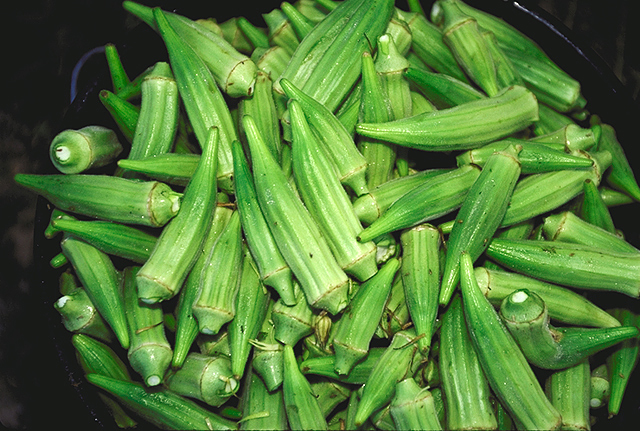
Here's
sharing some information I came across just
now about the health benefits of okra (lady's fingers) - a type of
vegetable. It grows in the tropics, though I think it is available for
sale in temperate countries like Canada. It is beneficial especially for
those with blood type A, B or O.
I googled about it and found supporting information about the health benefits of okra:
"3. Okra helps lubricate the large intestines due to its bulk laxative
qualities. The okra fiber absorbs water and ensures bulk in stools.
This helps prevent and improve constipation. Unlike harsh wheat bran,
which can irritate or injure the intestinal tract, okra's mucilage
soothes, and okra facilitates elimination more comfortably by its
slippery characteristic.
"Okra
is rich in fiber, nearly half of which is soluble fibre in the forms of
gums and pectins. This type of fibre helps to lower serum cholesterol,
reducing the risk of heart disease. The other half its fiber is the
insoluble form that helps to keep the intestinal tract healthy,
decreasing the risk of some types of cancer, especially colorectal
cancer." http://sillyfunnycrazy.blogspot.com/2007/12/benefit-of-eating-okra-ladys-finger.html#
Constipation may be caused by insufficient intake of water, as well as side effects of drugs or supplements, such as iron supplements.
Some remedies that I have tested and tried to be effective include: 1. Drinking plenty of water, especially in the earlier part of the day (morning and early afternoon)
2. Getting sufficient exercise - walking, and doing abdominal exercises can help strength the muscles necessary to empty the bowel without much straining
6. Chewing food slowly and thoroughly where possible
I learnt that it is important to chew food slowly and thoroughly where possible when eating a meal.
http://www.articlesnatch.com/Article/This-Cure-For-Constipation-Will-Amaze-You/388195
"When you chew, your brain sends signals to your stomach and intestines that food is on the way. Your body can prepare itself for everything it will need to properly digest the food you eat. By giving your system a head start, the food you eat is better absorbed and digested.This passes the food more effectively and efficiently through your body. The more nutrients absorbed from the food you eat, the less fat that is absorbed for later use."
7. Increasing intake of fruits and vegetables
eg papayas, guavas, bananas, cucumbers, grapes, green apples (with skin intact)
I also remember that some fruits, such as guava and papaya, can be very effective to help relieve symptoms of constipation. Ripe guavas with soft flesh are especially effective (raw ones can be hard to chew, so should be avoided) - there were times I ate a ripe guava after lunch, and the next day, I experienced bowel movement quite easily. The high fibre content provides roughage for the colon and rectum to release the stool more easily.
I have also checked that guava, cucumber, grapes, apples with green skin intact, papayas and bananas are suitable for people with blood type B. These foods are high in fibre, and helps maintain the health of your digestive system naturally, and without having gluten allergy side effects.
Bananas contain tryptophan, an amino acid that can be converted to serotonin, leading to improved mood
Anemia
Bananas are relatively high in iron, which helps the body’s hemoglobin function
Constipation and Diarrhea
Due to their content in fiber, they help restore a normal bowel function. In addition, diarrhea usually depletes your body of important electrolytes (of which the most important is potassium, contained in high amounts in bananas). They also contain pectin, a soluble fiber (hydrocolloid) that can help normalize movement through the digestive tract.
8. Taking natural supplements, such prune juice, psyllium husk
http://www.herbwisdom.com/herb-psyllium-husk.html
"Psyllium is quickly becoming one of the top recommendations for people using low-carb Atkins-style diets. It is very difficult to get enough fibre in a diet when you eliminate the carbohydrates in cereals, whole grains and fruits. Psyllium capsules are an easy way to take care of this problem. It fills you with fibre, reducing appetite without overstimulating the nervous system; a much healthier approach than formulas containing ephedra such as Herbalife or Metabolife."
I remember I took the supplement in powder form with water - I would poured one small satchet of psyllium husk into a glass of water, and stir it to mix well with water. Then I would drink it completely. Sometimes I would drink another glass of water after that. There were times the bowel movement occurred shortly, within half an hour. Other times, there was no immediate response, so I simply continued to drink lots of water (8-10 or more glasses of water) during the day, and then tried taking the supplement again the next day, for the bowel to clear naturally on its own. I tried to minimise straining where possible, and let it happen naturally with the help of deep breathing.
I also remember drinking prune juice which I bought from the supermarket - I used to drink a glass of prune juice every day or every other day, besides drinking plenty of water, and it helps to facilitate a relatively smooth bowel movement - sometimes the day after.
Prune juice is also suitable for people of blood type B. For some reason, the website below discourages people from drinking coconut milk. On the other hand, it lists papaya and banana as beneficial for people of blood type B. http://curezone.com/ER4YT/fruit.asp
9. Taking probiotics
Here's sharing some information on this Neobiotics probiotics that I have been taking every other day - I find that it is quite effective in maintaining regular bowel movement too.